You Own a $200 Microphone and Zero Episodes: A Portrait of the Almost-Podcaster
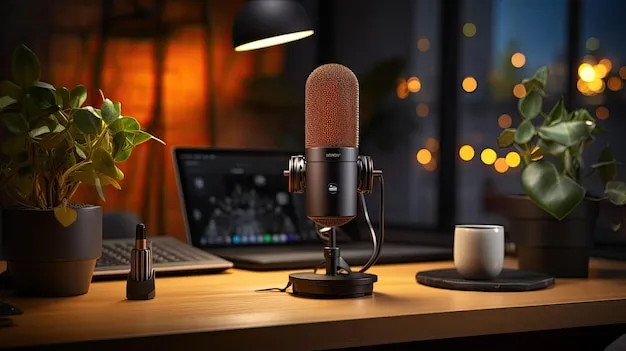
Photo: professional podcast microphone sitting in box unopened on desk, via img.freepik.com
Let's establish the facts as they currently stand.
In your closet — possibly in its original box, possibly wrapped in the foam padding it came with, definitely not plugged into anything — there is a professional-grade condenser microphone. It cost somewhere between $180 and $250. You researched it for eleven days. You read seventeen Reddit threads. You watched four YouTube comparison videos featuring men in home studios who seemed very serious about audio quality. You made the right choice. Everyone on the internet agreed it was the right choice.
The microphone has been in that closet for fourteen months.
This is your podcast era, and it has been your podcast era for approximately three years, and it is going extremely well.
The Vision Has Always Been Clear
The show concept? Fully developed. You could pitch it right now. You have, in fact, pitched it — to your friends, your coworkers, your partner, your sister, a stranger at a birthday party who asked what you were "into these days." The elevator pitch runs about twelve minutes, which is technically longer than some podcast episodes, but that's beside the point.
It's a conversational show, but with structure. Interview-based, but with a strong solo component. Niche enough to have a dedicated audience, but broad enough to go mainstream. Think Serial meets Freakonomics meets something you heard once on a long drive that you can't quite remember but it really stuck with you.
The working title has changed four times. The current one is good. Really good. You're about 80% committed to it, which means you're waiting until you're 100% committed before you tell anyone, because once you say it out loud it becomes real and then you have to defend it, and you'd rather get the title right before any of that happens.
The Research Phase (Ongoing)
Before you record anything, you need to understand the landscape. That's just responsible content creation.
You've listened to probably 200 episodes of other podcasts — not recreationally, but analytically. You've noticed what works. You've noticed what doesn't. You have opinions about pacing and episode length and whether hosts should use music beds under their intros (they should, but tastefully). You have become, through pure consumption, a genuine expert in a medium you have not yet participated in.
You've also read three books about podcasting. Started a fourth. Bookmarked a Substack newsletter from a podcast consultant. Joined a Facebook group for independent podcasters, where you've been a silent observer since March, absorbing knowledge and waiting for the right moment to introduce yourself.
The right moment has not yet arrived. You'll know it when it comes.
The Equipment Situation
The microphone, as established, is in the closet.
There's also a pop filter. Boom arm. XLR cable. An audio interface that required a separate research phase before purchasing. Acoustic foam panels that you ordered and then didn't mount because you weren't sure which wall would give the best sound, and once you commit to mounting foam panels, you're really committing, and you want to think it through.
The foam panels are leaning against the wall they're probably going to go on. They've been leaning there since October. The wall has started to feel like it's being evaluated, which, honestly, it is.
You've also downloaded three different recording software options. Audacity, GarageBand, and Descript. You've opened all three. You've watched tutorials for two of them. You have a preference now. You're not ready to act on it yet, but you have it.
The Guest List Problem
Here's the thing about the interview component: you need guests. And to book guests, you need to be able to tell them when you're launching. And to tell them when you're launching, you need to have recorded at least one episode so you understand your own format well enough to explain what kind of show you're making. And to record that first episode, you need to get the microphone out of the closet.
You can see how this becomes circular.
You have, however, compiled a list of potential guests in a Notes app document titled "Pod Guests - IDEAS." There are 23 names on it. Some of them are famous. You don't know them personally, but you have a strategy for reaching out that you'll finalize once you have a launch date. Which you'll have once you record an episode. Which you'll do once you figure out the format. Which is almost decided.
The Friends Who Know Too Much
Your inner circle has been hearing about this podcast for so long that they've developed a kind of benevolent thousand-yard stare when it comes up. They're supportive. They really are. They'll say "that sounds so cool" with the practiced ease of people who have said "that sounds so cool" many, many times about the same thing.
What they're not doing is asking follow-up questions. They've learned. Follow-up questions extend the conversation, and an extended conversation about the podcast means another 25 minutes of show concept, revised title options, and thoughts on monetization strategy. They love you. They cannot do another 25 minutes.
One friend — bless them — asked three months ago if you'd "recorded anything yet." The silence that followed was long enough to be its own episode.
The Pivot
Here's where things get interesting.
Lately, you've been thinking. The podcast space is crowded. Everyone has a podcast. The discoverability problem is real — you've read about it extensively. And there's something to be said for a written format, something with more permanence, more SEO potential, a lower barrier to entry in terms of equipment—
You've been thinking about starting a newsletter.
The concept is still forming, but it's essentially the same vibe as the podcast, just written. Weekly. Maybe biweekly to start. You'd want to do some research first — look at what's working in the newsletter space, understand the platforms, maybe read a book or two about audience building.
The microphone will keep. It's a good microphone. You made the right choice.