One Errand. Four Hours. Sixty Dollars You Cannot Account For. Welcome Back.

It was supposed to be nothing. A quick loop — out the door, handle the thing, back home in under twenty minutes. You didn't even bring a real bag. You didn't bring a snack. You were not prepared for what was about to happen to you, because nothing about this situation suggested preparation was required.
That was before the errand revealed its true nature.
The Deceptively Simple Beginning
Every phantom errand starts with confidence. You have the address. You have a rough sense of parking. You have a mental timeline that is, in retrospect, a work of complete fiction. You get in the car and pull out of the driveway with the calm energy of someone who has done this before and expects to be back shortly.
The first sign that things are off-script is usually minor. A light takes longer than expected. You choose the wrong lane and overshoot your turn. You correct course and find a different route, which adds four minutes and takes you past a Trader Joe's, and now you're thinking about whether you need anything from Trader Joe's, and you probably don't, but you might as well check since you're right here.
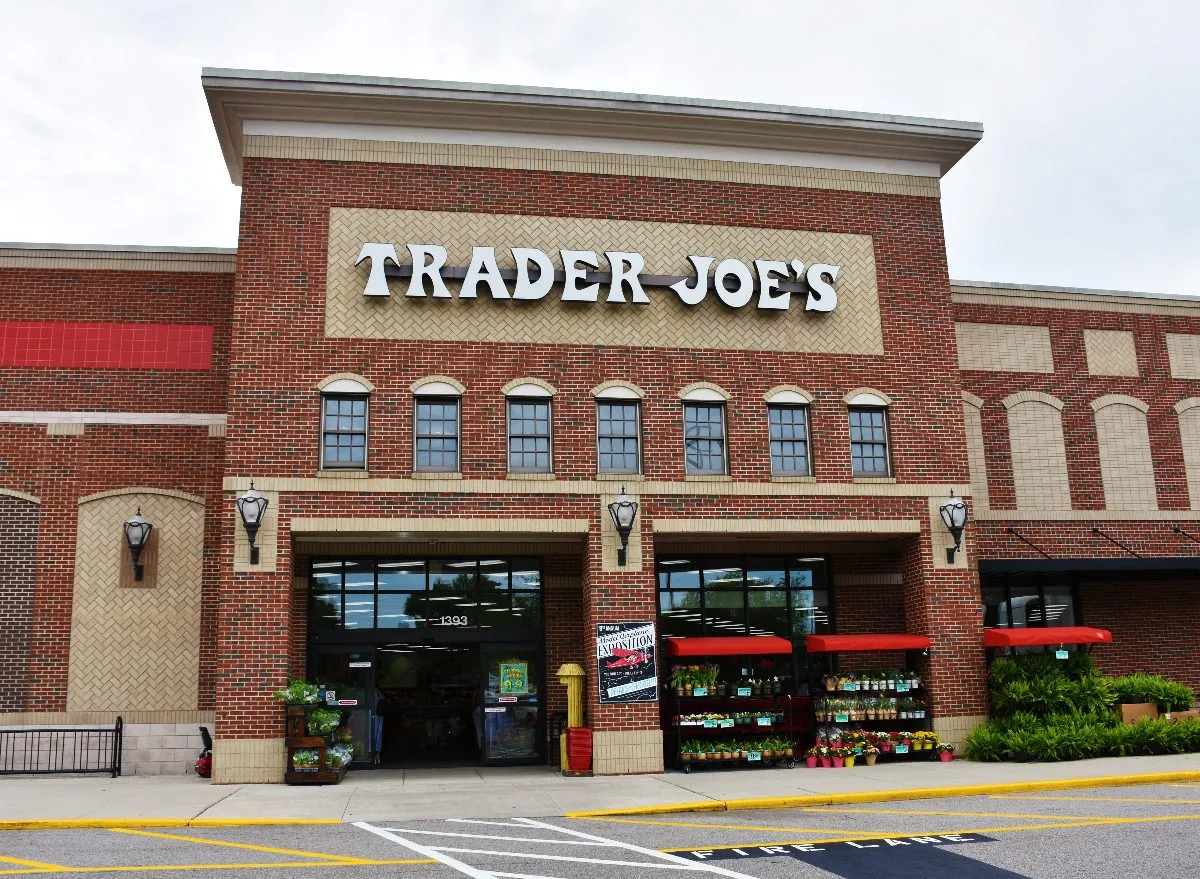 Photo: Trader Joe's, via www.eatthis.com
You are right here for thirty-five minutes.
The Unexpected Closure
You arrive at your original destination. The place is closed. Not permanently — a sign on the door explains this in a font that communicates deep indifference — but closed today, specifically, for a reason that was presumably announced somewhere that you did not see.
You stand outside and stare at the sign for a moment. You read it twice. You check the hours on your phone, which confirms the sign is correct. You look at the sign again as if it might change.
It does not change.
You now need a Plan B. Plan B requires googling the nearest alternative location, which is twelve minutes away — no problem, still manageable — except that the directions take you through a part of town where the parking is inexplicably complicated and every block has a new sign telling you that you cannot park here, or here, or here, or here for reasons that seem both arbitrary and absolute.
The Parking Situation
Parking, which you had not factored into your original twenty-minute estimate, now becomes the entire project. You circle the block twice. You find a spot that appears legal but has a meter with ambiguous instructions about which hours apply on which days. You read the sign four times. You determine it is probably fine. You pay the meter for ninety minutes because you are definitely going to be done in ninety minutes.
You are not done in ninety minutes.
The Cascade
At some point in the middle of the errand — which has now branched into three related sub-errands that each spawned their own requirements — you realize you are hungry. You did not bring a snack because you were not supposed to be out long enough to need one. You stop somewhere for food, which is fine and reasonable, except the line is longer than expected and you end up sitting with your order for a few minutes, and while you're sitting you check your phone and remember two other things you've been meaning to do that are in this general area, and you may as well since you're already out.
This is the exact moment the errand becomes a lifestyle.
You visit a drugstore for something you remembered. You stop at the post office because it's right there. You drive past a home goods store and think about a thing you've been meaning to replace, and the next twelve minutes of your life happen in a way you will struggle to explain later.
You buy a candle. You do not know why. You were not in the market for a candle. The candle is $18.
The Inventory Problem
By the time you are heading home, the car contains: the candle, a bag from the store you didn't plan to visit, a receipt from the post office, a half-finished drink from the food stop, and a parking validation ticket for a garage you paid for but did not use because you found street parking at the last minute.
Your phone shows four hours have passed since you left the house.
Your bank account shows a number that is meaningfully smaller than it was this morning, though the math does not fully add up to anything you can specifically justify.
The Return
You pull into the driveway. You sit in the car for a moment before going inside, in the particular stillness of someone who has been through something.
The original errand — the one thing, the simple thing, the reason you left — is technically incomplete. There is one remaining step that requires a document you forgot to bring, which means you'll need to go back.
You will do that tomorrow.
You will be back in twenty minutes.
Yep, that's a thing.