That $12.50 Brunch Split Has Been Haunting Your Friendship for Two Weeks Now
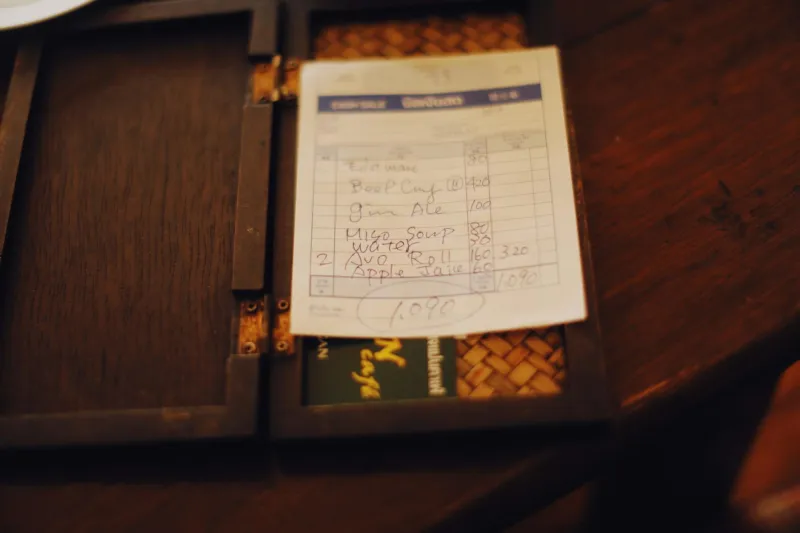
The Venmo Standoff of 2024
There it sits in your Venmo feed, mocking you with its little clock icon and increasingly desperate description updates. "Brunch 🥞" became "Brunch split - bottomless mimosas" became "Hey girl, just the brunch thing when you get a chance! ❤️" and is now dangerously close to becoming a formal invoice with late fees.
Welcome to modern friendship, where splitting a check can end up requiring more diplomatic skill than Middle East peace negotiations.
The Precision of Passive Aggression
You've become a forensic accountant of social dining. The bill was $127.43 for four people, but Jessica ordered that extra side of avocado ($4), and Michael got the premium coffee upgrade ($3.50), and don't even get started on how to fairly split the shared appetizer that only two people actually touched.
So you whip out your phone calculator like you're preparing someone's taxes, factor in tip percentages that would make a mathematician weep, and arrive at the scientifically precise amount of $12.50 per person. The fact that you're requesting this exact amount down to the cent sends a clear message: you are a serious person who takes brunch mathematics very seriously.
The Social Media Spectacle
Here's where Venmo really shines as a friendship destroyer: the public feed. Every transaction is a tiny performance for your mutual friends, a passive-aggressive theater where the audience can see exactly who pays their debts promptly and who apparently thinks money grows on avocado trees.
Your request sits there for all to see, a digital scarlet letter announcing that someone in your friend group is financially unreliable. Other friends start liking the transaction ironically. Your mom comments asking why you're eating $30 eggs. The whole thing has become more public than most people's relationship status.
The Reminder Dilemma
Day three: Do you send a reminder? Day seven: Is a second request too aggressive? Day ten: Should you just eat the $12.50 and preserve the friendship? Day fourteen: You're googling "how to take someone to small claims court" and wondering if Judge Judy handles Venmo disputes.
The mental energy you've spent on this $12.50 could have powered a small city. You've composed seventeen different reminder messages in your head, each one carefully calibrated to sound casual while conveying the appropriate level of "I'm keeping track of this and my patience has limits."
The "I'll Get You Next Time" Trap
Sometimes people try to escape Venmo purgatory with the classic "just get me next time" maneuver. This sounds reasonable until you realize that "next time" creates an invisible debt ledger that follows your friendship around like a financial ghost.
Now every subsequent meal requires complex mental calculations. Is this dinner expensive enough to cover the previous brunch debt? Do coffee dates count toward the balance? You're essentially running a informal credit system with your friends, and nobody agreed to become a loan officer when they just wanted some eggs Benedict.
The Group Chat Conspiracy
Meanwhile, there's definitely a separate group chat without you where people are discussing "the Venmo situation." They're probably debating whether $12.50 is worth the friendship drama, analyzing your request-to-payment ratio, and wondering if you've become "that friend" who cares too much about money.
But here's the thing: you're not being unreasonable for wanting to be paid back. You're just caught in the intersection of technology and social awkwardness, where an app designed to make payments easier has somehow made them infinitely more complicated.
The Corporate Expense Report Lifestyle
You've started treating friend meals like business expenses, keeping mental receipts and maintaining detailed records of who owes what to whom. Your phone's photo gallery is 40% screenshots of restaurant bills and Venmo transactions. You've accidentally become the CFO of your friend group, and it's an unpaid position with terrible benefits.
Some friends have embraced this new reality and started requesting payment for everything. "Uber to the bar: $3.75." "Your share of the birthday gift: $8.33." "Emotional labor for listening to your dating drama: $47.50." The last one was a joke, but honestly, the math probably checks out.
The Payment Notification High
When that Venmo notification finally comes through, it's like winning a small lottery. The relief floods through you as you see "Jessica paid you $12.50 for Brunch split - bottomless mimosas." Justice has been served. The universe is balanced. Your faith in humanity is temporarily restored.
Until next weekend, when someone suggests splitting appetizers again and the whole cycle begins anew.
The Real Cost of Digital Payments
The truth is, Venmo has turned us all into amateur accountants and professional grudge-holders. We're tracking social debts with the precision of the IRS while pretending it's all casual and fun. The app that was supposed to make splitting bills easier has instead created a new category of social anxiety.
Every friend group now has detailed financial records of their social interactions, complete with emoji-filled transaction descriptions that serve as tiny time capsules of shared meals and mounting resentments.
The New Rules of Friendship
We've collectively agreed that friendship now includes financial transparency requirements that would make most marriages jealous. Your Venmo feed is basically a public audit of your social life, where everyone can see how much you spend on food, how quickly you pay people back, and whether you're the type of person who requests payment for a $3 coffee.
The $12.50 brunch split isn't really about the money. It's about respect, reliability, and the unspoken social contracts that hold modern friendship together. But mostly, it's about the money.
Because at the end of the day, we're all just trying to split checks without splitting friendships, one passive-aggressive Venmo request at a time.